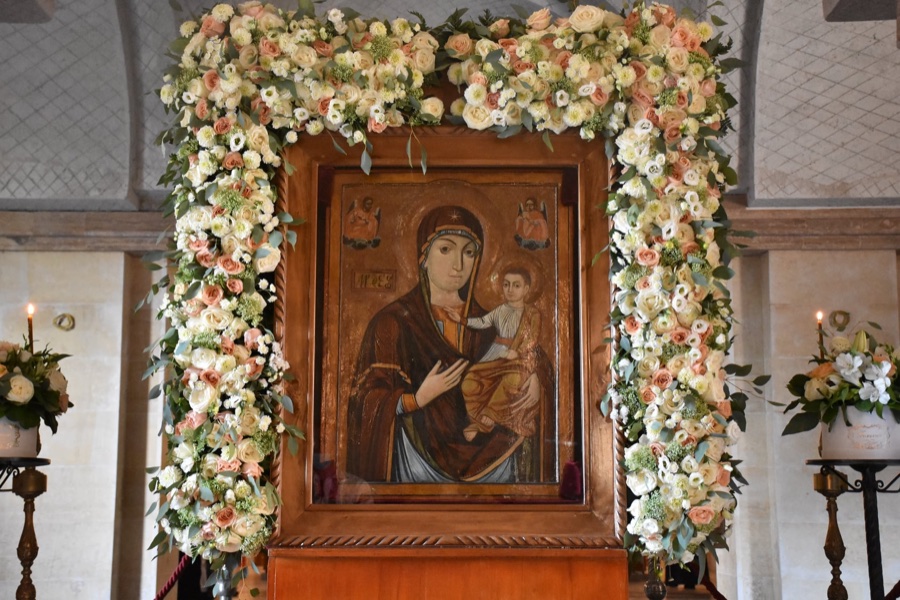
Romania preserves an extraordinary heritage of antique icons revered across generations as wonderworking (miraculous). Each unites documented history — frequently linked to Romanian voivodes, Byzantine emperors, or regional master iconographers — with centuries of unbroken pilgrimage.
1. The Icon of the Mother of God of Nicula (1681)
Painted in 1681 by priest-iconographer Luca of Iclod in egg tempera on fir wood, the icon became famous after weeping for 26 consecutive days between February 15 and March 12, 1699 — an event attested in official sworn affidavits of the period. It is the focal point of Transylvania's largest Dormition pilgrimage (August 15).
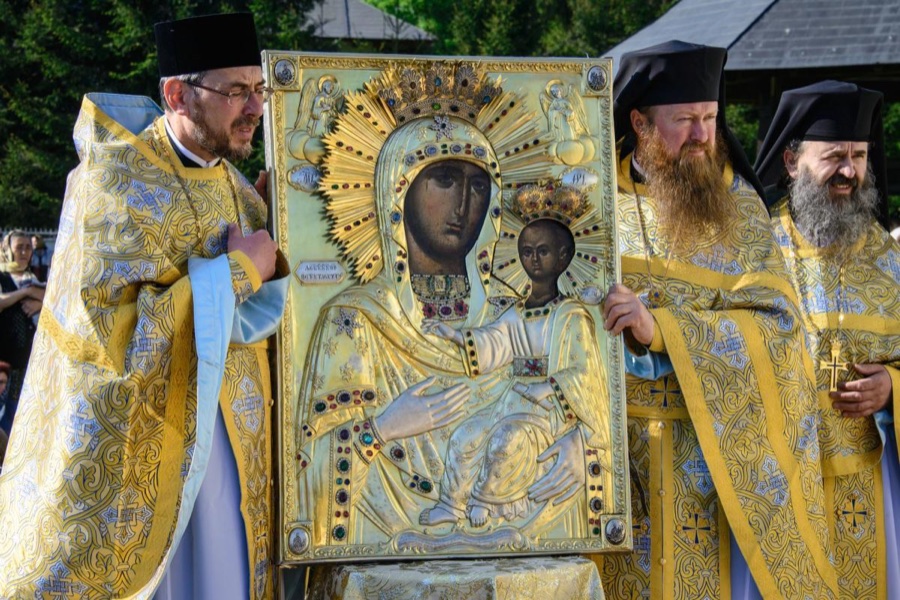
2. The Hodegetria Icon of Neamț Monastery
One of the oldest and most precious icons in Romania, gifted to Moldavian Voivode Alexander the Good in 1429 by Byzantine Emperor John VIII Palaiologos. It is a double-sided processional icon (bearing Saint Great Martyr George on the reverse), clad in gilt silver and also known in tradition as Lidianca.
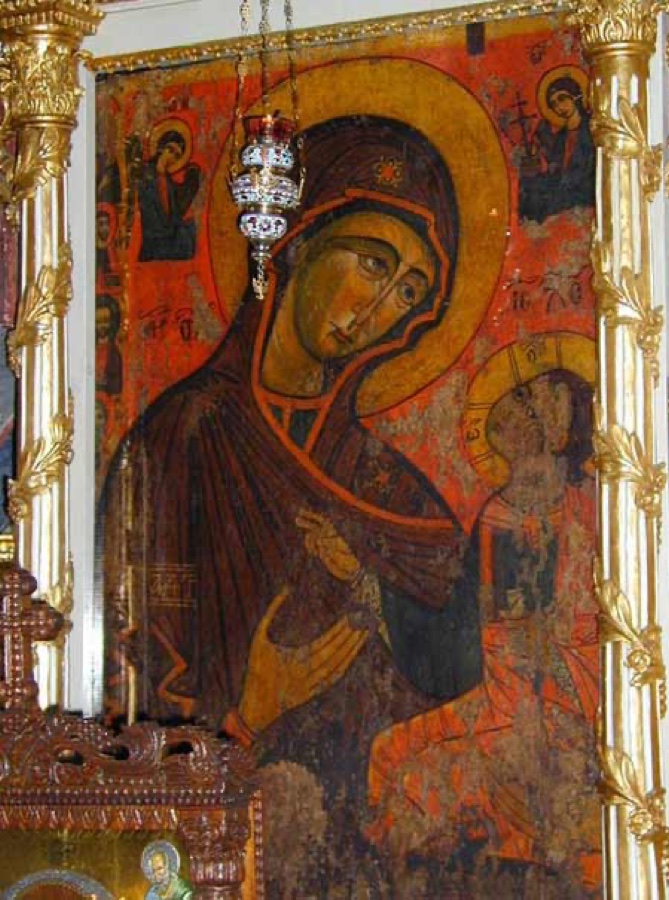
3. The Icon of the Mother of God at Dintr-un Lemn
Documented since the 16th century, this monumental double-sided icon (approx. 1.50 × 1.10 m) depicts the Mother of God with Child and the Last Judgment. According to tradition already recorded by Paul of Aleppo in 1657, its discovery inside the hollow of a giant oak led to building the monastery's wooden chapel from that single tree trunk (“Dintr-un Lemn”).
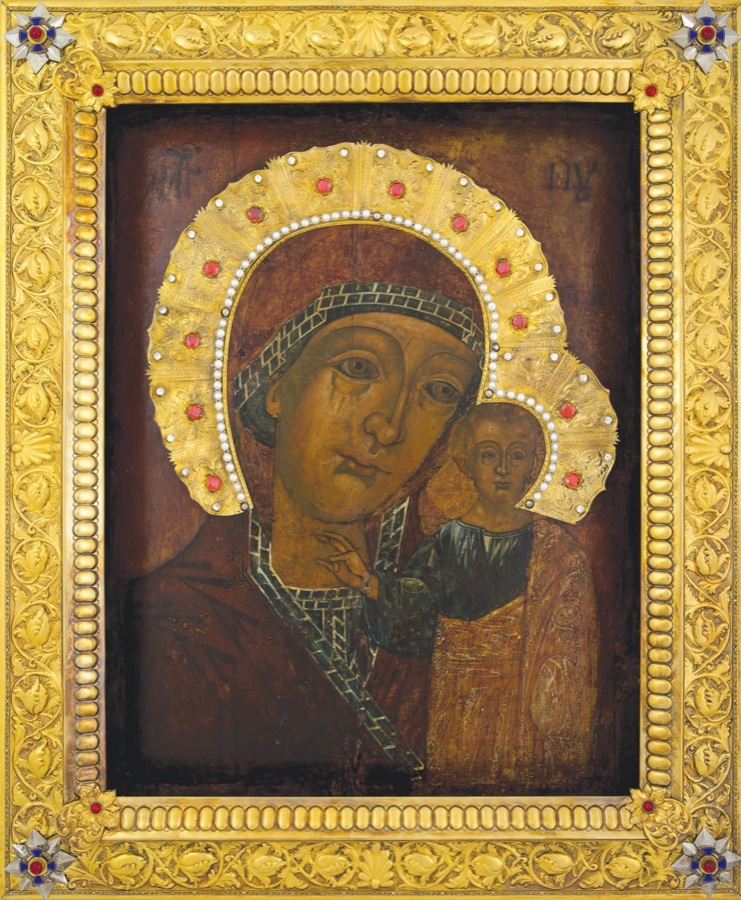
4. The “Siriaca” Icon of Ghighiu Monastery
Painted in the 16th century in Syria on fragrant sandalwood, the icon was brought to Romania in 1958 by Bishop Vasile Samaha of Sergiopolis and enshrined at Ghighiu Monastery. It is especially venerated by families praying for children and healing.
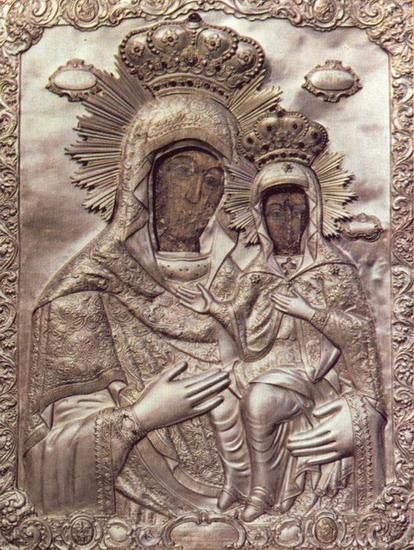
5. The Icon of Saint Anne at Bistrița Monastery
Gifted by Byzantine Emperor Manuel II Palaiologos and Empress Helena to Lady Ana, wife of Voivode Alexander the Good, around 1401. An extraordinary Palaiologan masterpiece carried in centuries-old processions during times of drought and deeply revered across Moldavia.
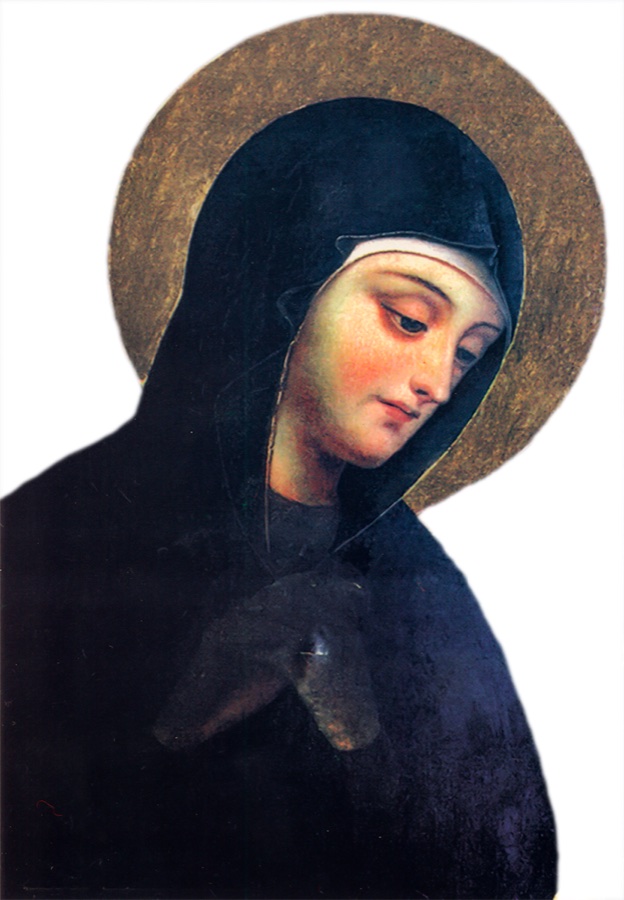
6. The Hodegetria Icon of Rohia Monastery
Painted on Mount Athos in the 20th century by Hieromonk Nikanor and donated to Father Nicolae Gherman's monastery (also the spiritual home of writer-monk Nicolae Steinhardt). It stands among the most beloved pilgrimage icons of northern Romania.
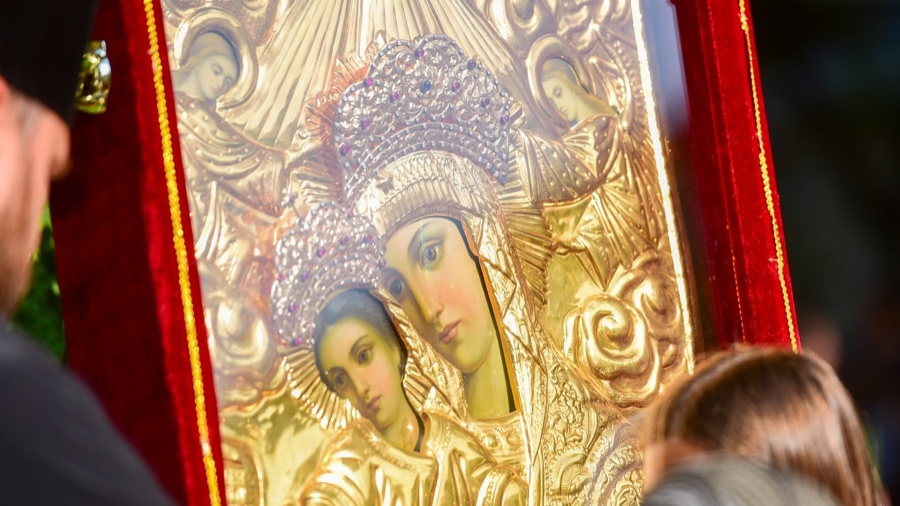
7. The Icon of the Mother of God at Hadâmbu
Painted in 1938 by priest-iconographer Octavian Zmău for Boyar Iani Hadâmbu's historic 1659 foundation. Clad in gilt silver and enshrined on Dealul Mare hill, it draws tens of thousands of pilgrims every year.
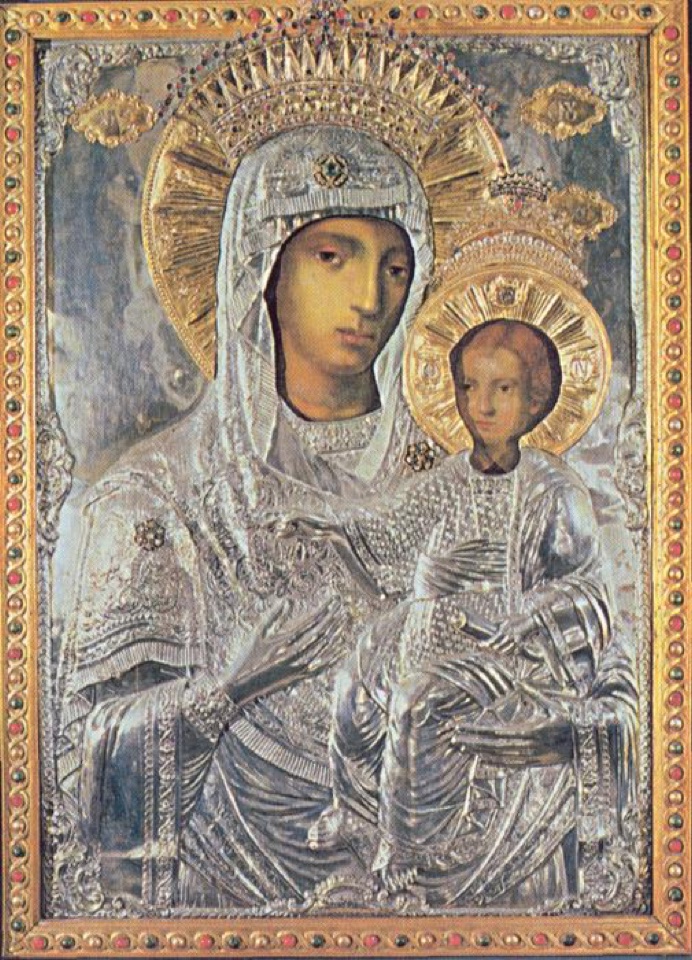
8. The “Prodromitissa” Icon (1863)
The most renowned Romanian icon on Mount Athos, begun in Iași in 1863 by elderly iconographer Iordache Nicolau and, according to the skete's official chronicle, miraculously completed overnight (“not made by human hands”). Officially blessed copies of Prodromitissa are venerated across Romania, including Bucharest and Moldavian monasteries.
Other Celebrated Icons in Romania
- Nămăiești Monastery (Argeș County): Its rock-cut church safeguards an antique silver-clad icon of the Mother of God (1798), linked to a centuries-old local pilgrimage tradition.
- Sâmbăta de Sus Monastery (Brașov) & Lainici Monastery (Gorj): House revered Athonite copies of the Mother of God Quick to Hear (Gorgoepikoos).
- Saint Nicholas Russian Church & Biserica Icoanei (Bucharest): Safeguard deeply venerated historic icons in Romania's capital, including copies of Pantanassa.
Historical images in this guide are sourced from public-domain archives (Wikimedia Commons). To discover authenticated 17th–19th century Romanian and Balkan icons available for acquisition, visit our Romanian School Icons collection.