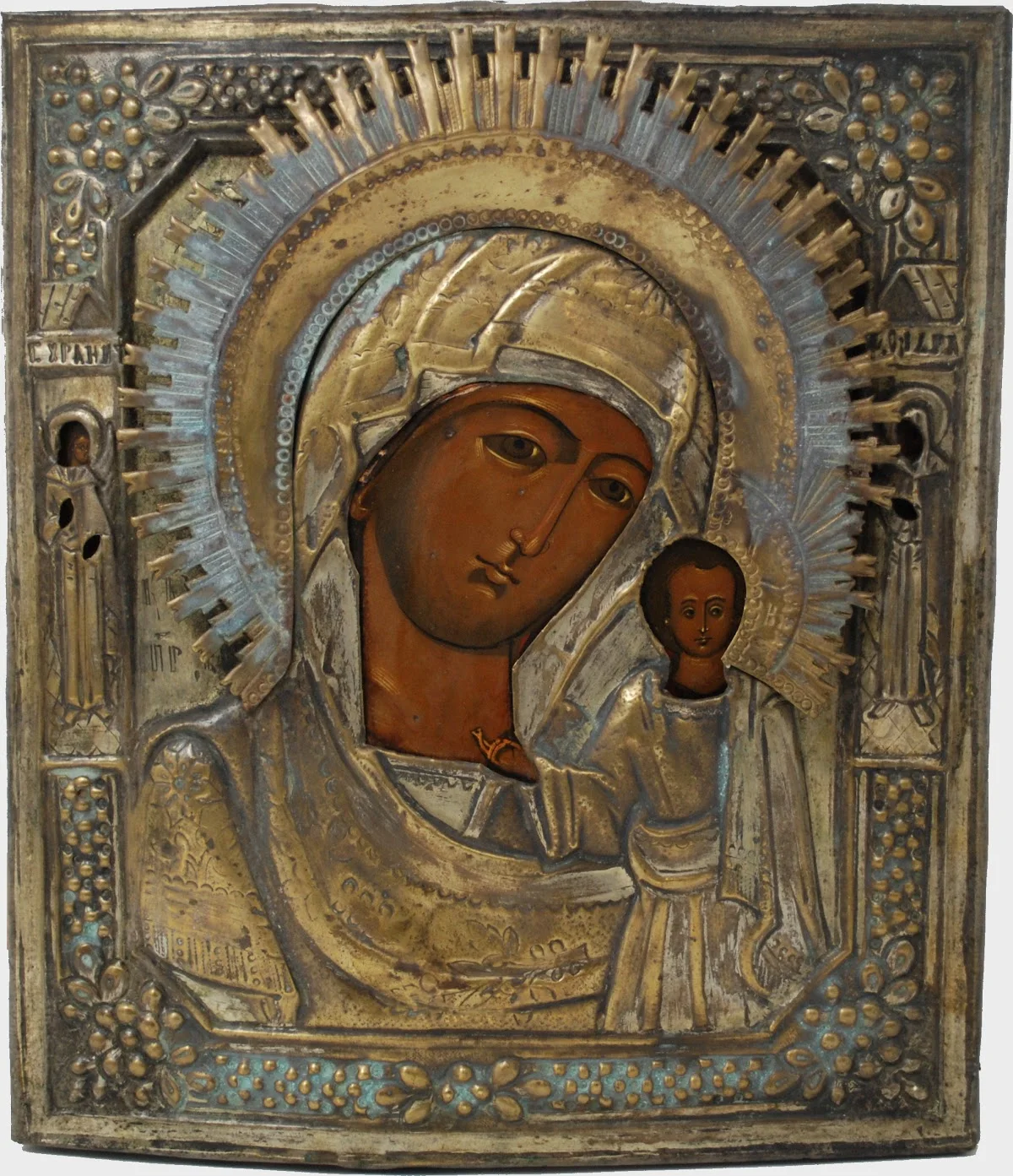
Orthodox iconography organizes sacred images into recognizable canonical typologies defined by gesture, posture, composition, and inscriptions. In living Orthodox piety, each typology and patron saint has become closely associated with particular moments, hopes, and trials of human life.
Important theological note: In Orthodox faith, icons are never magical talismans — help always comes from the grace of God through the intercession of the Mother of God and the saints. The associations below reflect centuries of liturgical tradition and popular devotion.
1. Icons of Christ the Savior
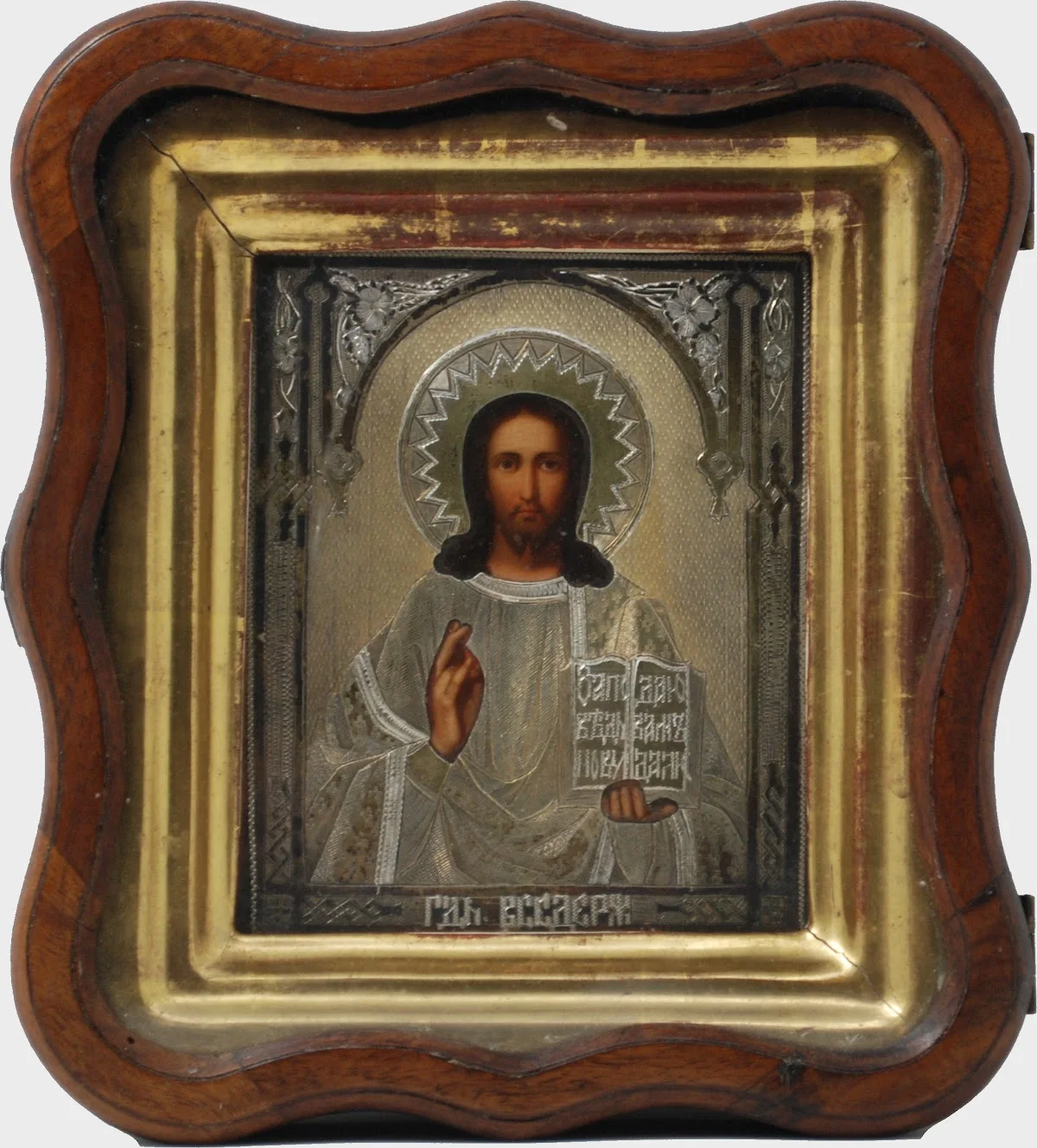
- Christ Pantocrator (“Ruler of All”): Blesses with His right hand while holding the Gospel book (open or closed) in His left. It is the central icon of faith, placed in the home for blessing, peace, and spiritual strength.
- Deesis (“Supplication” / “Intercession”): Christ enthroned or in bust at the center, flanked by the Mother of God and Saint John the Baptist in prayerful intercession for humanity.
- The Holy Mandylion (Acheiropoietos — “Not Made by Hands”): The face of Christ miraculously imprinted upon linen, revered as a sign of protection for the home and steadfast faith.
2. Principal Typologies of the Mother of God
- Hodegetria (“She Who Shows the Way”): The Virgin holds the Christ Child on one arm and gestures toward Him with the other as “the Way, the Truth, and the Life” (e.g. Kazan, Smolensk, Iviron, Neamț). Venerated for guidance in crucial decisions, safe travel, and family protection.
- Eleusa / Glykophilousa (“Tenderness” / “Sweet Kissing”): The Virgin's cheek rests tenderly against the Child's face (e.g. Our Lady of Vladimir). Cherished for protecting mothers and children, emotional comfort, and harmony within the family.
- Oranta / Platytera (“The Praying One”): The Virgin with hands raised in prayer and Christ Emmanuel in a medallion upon her chest — symbol of unceasing intercession and domestic peace.
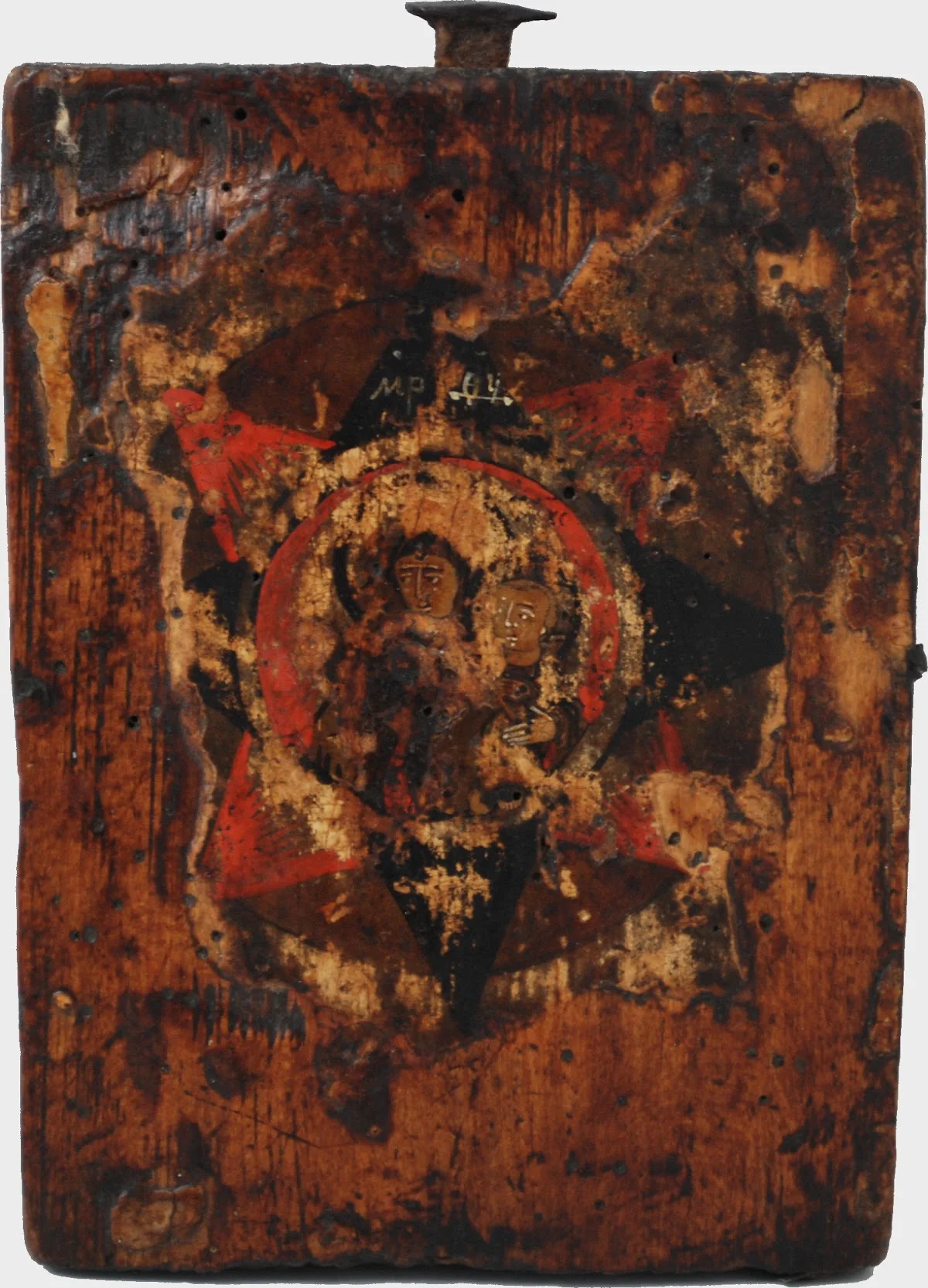
- Beloved Special Typologies: Pantanassa (“Queen of All” — widely invoked for healing from serious illness), Quick to Hear (Gorgoepikoos) (for swift help in hardship), The Burning Bush (protection from fire and natural danger), The Inexhaustible Chalice (freedom from addictions), and Joy of All Who Sorrow (consolation in grief).
3. Patron Saints in Orthodox Devotion
| Icon / Saint | Significance in Orthodox Tradition & Devotion |
|---|---|
| Saint Nicholas the Wonderworker | Protector of children, families, travelers, and seafarers; swift helper in material need and injustice. |
| Saint Great Martyr George & Saint Demetrius | Triumph over evil, courage, protection of the household, travelers in danger, and soldiers. |
| Saints Constantine and Helena | Protectors of the Christian family, marital harmony, and the founding of a new home. |
| Saint Panteleimon & Saint Nektarios of Aegina | Holy Unmercenary Healers — invoked in prayer for health and recovery from severe illness. |
| Saint Great Martyr Menas | Beloved in Romanian devotion as protector of the wronged, honest merchants, and finder of lost property. |
| Saint Stylianos of Paphlagonia | Protector of infants and young children, invoked by parents for their health and well-being. |
| Saint Paraskeva & Archangels Michael and Gabriel | Protection of the family and home, comfort in suffering, and guardianship against visible and invisible harm. |
Explore authentic 16th–19th century examples of these typologies in Galeria Anton's antique icons catalog.